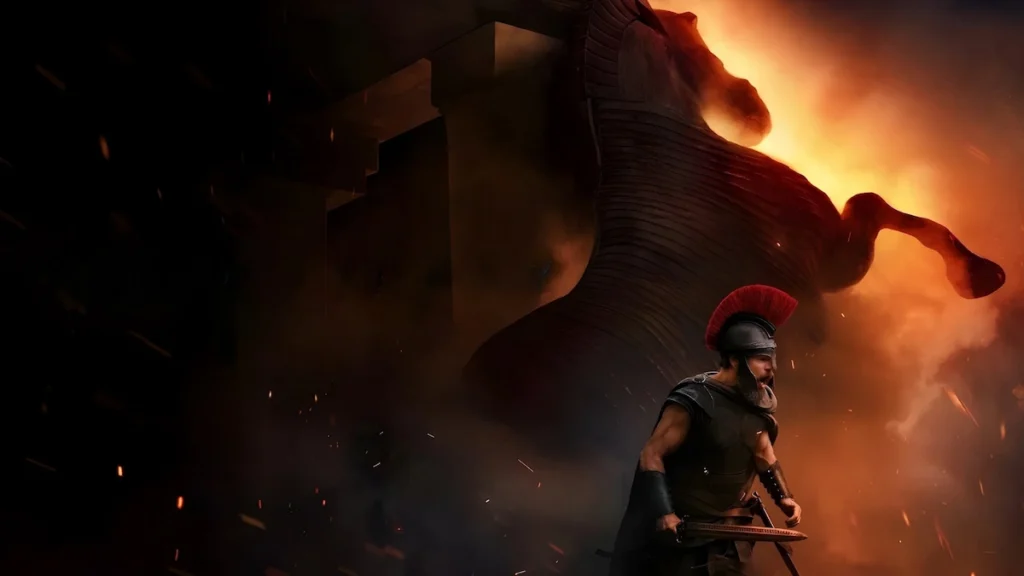
 Image credit: The Odyssey / Promotional / Universal Pictures – Christopher Nolan’s The Odyssey
When Homer wrote his epic verses in the 8th century BC, he never imagined his work on giant screens worldwide. Millennia passed. Storytelling evolved.
Now, the British director takes on the challenge of bringing this ancient Greek epic to modern cinema. Christopher Nolan’s The Odyssey hits theaters promising to redefine large-scale historical fantasy.
Many doubted this massive project would work. Even Matt Damon had initial reservations about the monumental scale when he read the script. Adapting a world literature staple takes guts.
Fictional works of this size mix potentially real events, like the famous city of Troy, with ancient folklore myths. Historians still debate the original author’s existence.
The general belief points to the verses coming from collective oral tradition. Folklore dominates the plot. It makes no sense to seek historical accuracy in a universe of furious cyclopes, dark magic, and moody gods.
The movie embraces this inherent fantasy fearlessly. The result on screen is a visual spectacle that adapts a complex structure with great technical skill and respect for the source material.
The Timeline Editing in Christopher Nolan’s The Odyssey
Fans of the filmmaker easily recognize his signature. Breaking chronological linearity sets the adventure’s tense pace. Past movies like Memento, Interstellar, Tenet, and Oppenheimer paved the way for this bold style.
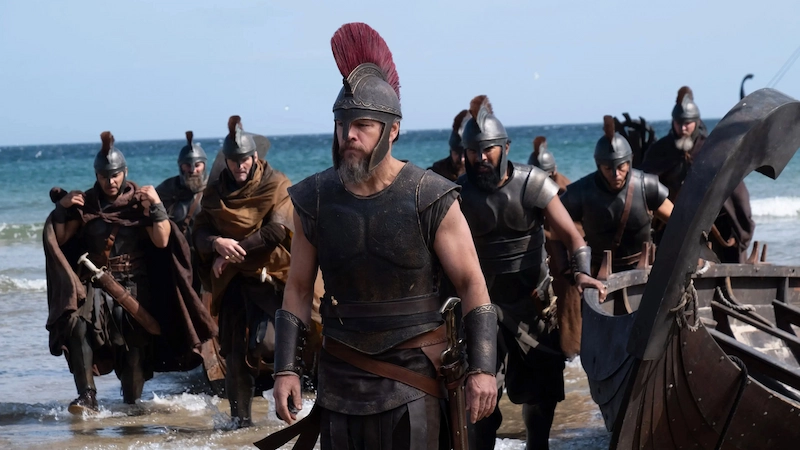 Image credit: The Odyssey / Promotional / Universal Pictures – Christopher Nolan’s The Odyssey
Christopher Nolan’s The Odyssey uses this same clever editing trick. Audiences must pay close attention to stitch the scrambled timelines together and grasp the big picture. Voice-over narration guides viewers through these time mazes.
The concept works wonderfully to show the delusions and heavy trials of the long journey home. The pacing stumbles a bit, though. The director drags out the buildup to the climax.
He holds back a key reveal for the third act, creating exhausting anxiety for the crowd. The original material has a very similar dynamic in this specific part. Reading Homer’s verses allows for reflection pauses at home.
Watching these same passages on an IMAX screen demands a different narrative beat. Despite this slight pacing bump that tests your patience, the brilliant direction makes up for the wait with sheer technical and visual brilliance.
Heavyweight Performances: From the Lead to the Supporting Cast
The star-studded cast delivers vigorous performances that back up the visual grandeur captured on camera. The leading man’s work tops many of his praised past roles, directly rivaling his early breakout in Good Will Hunting.
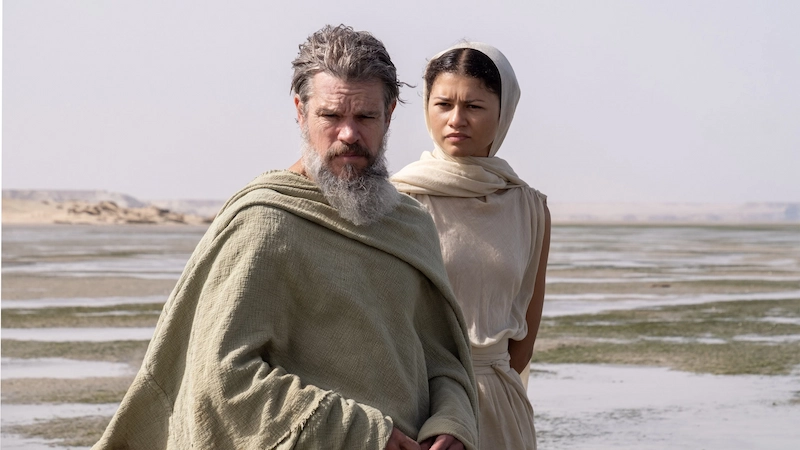 Image credit: The Odyssey / Promotional / Universal Pictures – Christopher Nolan’s The Odyssey
Matt Damon plays a hero full of dark nuances. He brings all the epic presence the role of Odysseus demands. He keeps the sharp arrogance and dangerous pride of the mythological figure intact.
The movie gains massive dramatic weight whenever the star takes center stage. Tom Holland definitively proves his acting chops. Far from superhero franchises and the Spider-Man suit, we get a solid Tom Holland dramatic role where the young actor explores dense emotions.
His career will surely take much more ambitious turns after showing this raw talent. The Hollywood market welcomes a versatile actor ready to tackle increasingly complex roles in the industry.
The central female character suffers from a chronic issue in the filmmaker’s catalog. The director often stumbles when fully developing his women characters. Past movies showed fantastic actresses stuck in mere emotional support roles.
Anne Hathaway plays Queen Penelope with dignity, but gets very little screen time. Despite an extremely competent performance, the character lacks the psychological depth she deserves within the main plot.
The Supporting Cast Immediately Steals the Show
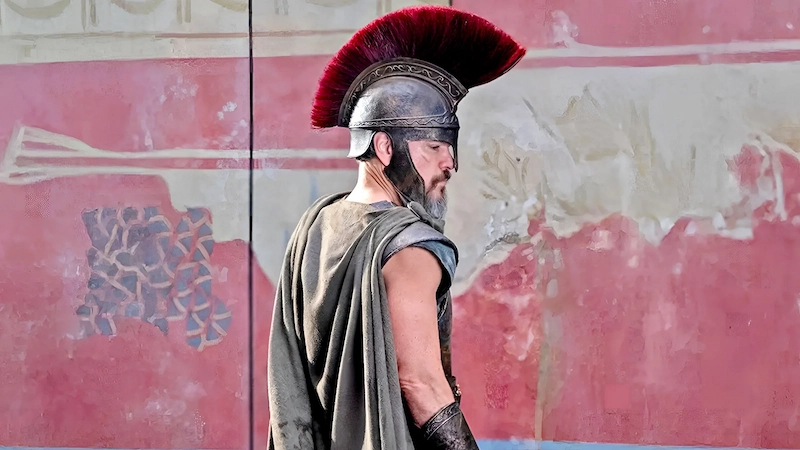 Image credit: The Odyssey / Promotional / Universal Pictures – Christopher Nolan’s The Odyssey
Five specific talents significantly elevate the movie’s quality in very precise appearances. John Leguizamo shines as Eumaeus. The king’s loyal swineherd acts as the audience’s curious eyes and attentive ears.
The director uses this blind character smartly to ground viewers in the most intense and emotional scenes. He perfectly represents the people’s deep devotion to their long-lost king.
Robert Pattinson plays Antinous, one of the queen’s suitors, and sparks instant disgust in his first minutes on screen. The actor builds a completely unlikable villain with great theatrical skill. The intense anger he generates in the crowd proves this radical transformation worked perfectly.
He completely drops the nice or ironic quirks from past roles to embrace pure human evil in its rawest form. The protagonist’s loyal travel buddy, Eurylochus, also gets well-deserved spotlight.
British actor Himesh Patel finally gets a worthy, massive platform to show off his huge dramatic skills. His constant presence brings authentic emotional weight to the harsh losses Odysseus’s crew faces right after Troy.
The complex dynamic with magical figures adds vital layers to the story. Charlize Theron pops up as Calypso, a mysterious goddess who helps the broken hero narrate his own tragedy. Their intense interactions serve as a direct intro to the main answers.
Samantha Morton, playing the dreaded Circe, leads one of the most disturbing parts of the whole long trip. In very few available screen minutes, the brilliant actress evokes a silent and truly suffocating terror.
Monsters, Dark Mythology, and the Brutal Coldness of War
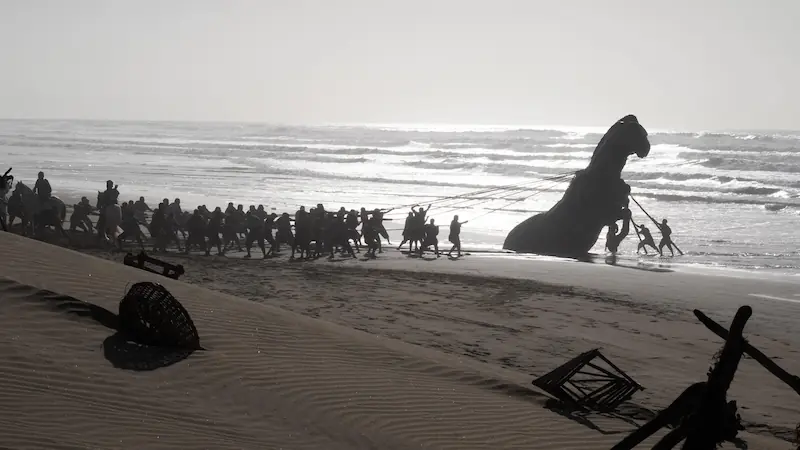 Image credit: The Odyssey / Promotional / Universal Pictures – Christopher Nolan’s The Odyssey
The visual take on this famous Greek mythology on screen heavily avoids cheap or cartoonish caricatures. Nolan goes for a dark and tactile look for the massive fantasy universe. The desperate encounter with Polyphemus, the massive Cyclops son of the sea god, sweats suffocating tension.
The visceral scene establishes the hero’s mental cunning. It also shows the huge weight of the divine curse that will relentlessly haunt the unlucky sailors from then on. The dark mood immediately reflects the heavy atrocities committed during the long prior conflict.
The deadly island of the cannibal giants, the cursed Laestrygonians, delivers a visually rich and brutal sequence. The costumes feature thick armor with a Templar crusade vibe. This intentional detail completely clashes with historical Greece’s aesthetic.
This great visual choice signals that these terrifying creatures don’t belong to our mundane order. The bizarre aesthetic reinforces the pure dread of the unknown that the lost and starving sailors face daily.
The quick flashbacks to the epic armed conflict in legendary Troy ditch any romanticism or fake glory. The nervous camera avoids stylized choreography and heroic slow-motion fights. The epic portrays the absurd coldness of the violent battlefield with extreme tactical realism.
Cowardly backstabs, rotten mud, and awful war crimes dominate the broken memories of the wounded protagonist. The direction refuses to tone down the inherent cruelty present in the final moments of the ruthless siege.
Masterful Technical Excellence and Absolute Sound Immersion
The overall sound design quickly hits levels of technical excellence very rare in the modern industry. The terrifying mythological sirens sequence perfectly highlights the crew’s inventive genius. The worn-out crew completely blocks their hearing with thick wax.
The viewer trapped in their seat experiences the exact same muffled silence. The clever editing abruptly cuts the ambient audio without warning. We only hear suppressed internal noises and the agonizing screams of despair from our hero tied to the mast.
The formidable scene instantly evokes and pays homage to the brilliant sound tension of the atomic explosion seen recently in the filmmaker’s own Oscar-winning movie. The powerful, deep sound travels at different speeds than light, messing with our basic senses.
The startling physical immersion from this sudden sound block chokes and hooks the audience in equal measure. The gorgeous cinematography embraces cold, funereal colors during the crew’s agonizing moments of pure despair.
The desolate protagonist’s dangerous visit to the dark underworld of Hades to consult the wise dead offers a spectacular dark visual treat. The fine dark sand, black as pure coal, violently contrasts with the bright red blood of the ritual sacrifice on the ground.
The careful, oppressive play of dense shadows hides invisible monsters and skillfully builds an immersive atmosphere of genuine psychological dread. The heavy darkness dominating the IMAX screen seems to swallow the movie theater itself.
CineHubHQ Verdict
The acclaimed filmmaker builds an impressive, massive audiovisual triumph entirely grounded in the sacred pillars of ancient Western literature. The brave, shattered timeline editing authentically honors the unpredictable rhythmic nature of orally passed tales.
The slight pacing flaws in the final act fail to shrink the majestic conclusion’s brutal emotional impact on the audience’s mind. To wrap up this IMAX movie review, the stunning audiovisual scale of the lavish production guarantees a phenomenal big-screen movie experience.
The bold adaptation fully respects the ancient tragic roots of the complex original characters. At the same time, the production injects an incredibly visceral and appealing dynamic visual language for new crowds. The highly anticipated movie easily secures its definite spot in the golden gallery of cinematic works.