
The decision by Sony to finalize the end of PlayStation physical media for new releases sparked massive debates across the entire gaming industry. Made official on July 1, 2026, the schedule dictates a major shift for the console market.
Starting in January 2028, all brand-new titles will be distributed exclusively in a digital games format. Brick-and-mortar stores will sell empty boxes containing just a download code.
Discs will be entirely gone from retail shelves worldwide. You will still be able to play older physical copies, as this change does not affect games released before that specific deadline.
The Historical Contradiction
The negative backlash gains serious momentum when we compare the company’s current stance to its attitude back in 2013. Back then, Sony weaponized the freedom to lend and resell discs as a primary marketing tactic against its main competitor.
Videos from that era are currently resurfacing all over social media. During those events, executives heavily championed the consumer’s right to own, share, and trade their games.
Gamers who feel frustrated with the new measure use this exact contrast to question the brand’s sharp change in direction after thirteen years. Fans clearly remember the viral video of Sony executives handing a game box to each other with a smile.
It was a massive PR win for the brand at the time, making the current shift feel like a broken promise to long-time loyalists.
What the Market Says About the End of PlayStation physical media
Financial analysts are tracking these developments closely to understand the long-term impacts. Michael Pachter from Wedbush Securities points out that this transition saves massive resources for the manufacturer.
However, it drastically limits the options for people who actually play the games. According to Pachter, specialized physical retail faces a very real risk of going completely extinct.
Kazunori Ito from Morningstar doubles down on the irony of the current situation. He predicts the total collapse of the used games market in the near future.
Michael Futter from F-Squared Consulting takes a harsher stance, labeling the move as blatantly anti-consumer. Futter argues that consoles operate as closed ecosystems controlled by the platform owner.
Unlike the PC market, where storefront competition drives varying prices, console players are locked in.
The Financial Weight of Used Games
The global second-hand games market moved around $7.2 billion in 2025 alone. Projections show a massive jump to $13.8 billion by 2034. The high demand for cheaper, accessible gaming alternatives directly fuels these massive numbers globally.
For Sony, this bold decision follows a strictly financial logic. It aligns closely with the modern Sony PlayStation strategy of maximizing digital profits. Internal company data reveals that digital downloads already account for 85% of total full-game sales across PS4 and PS5.
Eliminating the actual discs allows the tech giant to slash manufacturing, logistics, and physical inventory costs. This directly boosts their profit margins on every single game sold on their proprietary storefront.
The GTA 6 Precedent
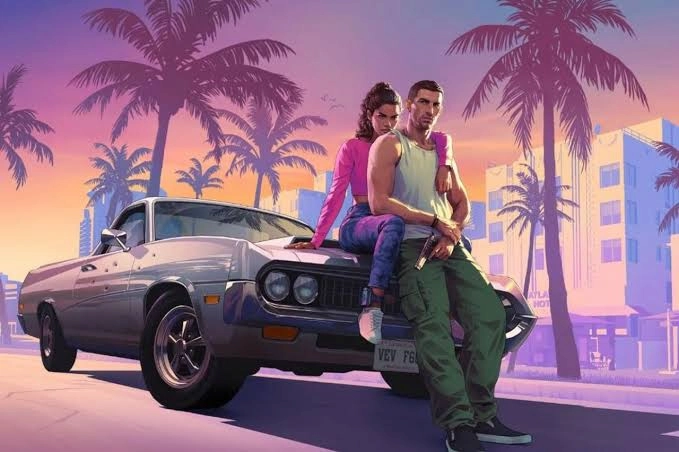
The market is already feeling the impact of this shift well before the final deadline hits. Rockstar Games confirmed the physical edition of Grand Theft Auto VI will only include a redemption code.
The highly anticipated game launches on November 19, 2026. This specific move acts as an industry thermometer for what is coming next.
It has already prompted several major retailers to drop the title from their physical catalogs entirely. Fans expecting a physical map and a disc for the biggest launch of the decade will have to settle for a digital voucher.
Uncertainties About the Future
Consumer distrust is rapidly growing due to other recent controversial moves by Sony. The planned shutdown of the older PlayStation Store for PS3 and PS Vita left many dedicated fans worried about their digital libraries.
The sudden removal of digital movies from user libraries without any financial compensation added heavily to the bad PR. These combined events make the public actively question the actual guarantees of ownership over their purchased digital content.
Up to this point, the company shows absolutely zero signs of backing down from its current plans. They are holding steady on their course toward an exclusively digital future over the next few years, changing the gaming landscape forever.
READ MORE: Christopher Nolan’s The Odyssey Breaks Historic Record and Surpasses Batman Box Office