Publicity/Netflix
Netflix built an empire based on highly tested formulas approved by its massive audience. The platform’s original productions usually follow a very specific aesthetic and narrative pattern. This algorithmic model generates massive hits, but it also creates clear fatigue for regular subscribers.
Watching a new streaming release often gives a strong sense of déjà vu. Action movies try to mimic the raw adrenaline of the Fast & Furious franchise at all costs. Similarly, apocalyptic thrillers desperately seek to repeat the global phenomenon of Bird Box.
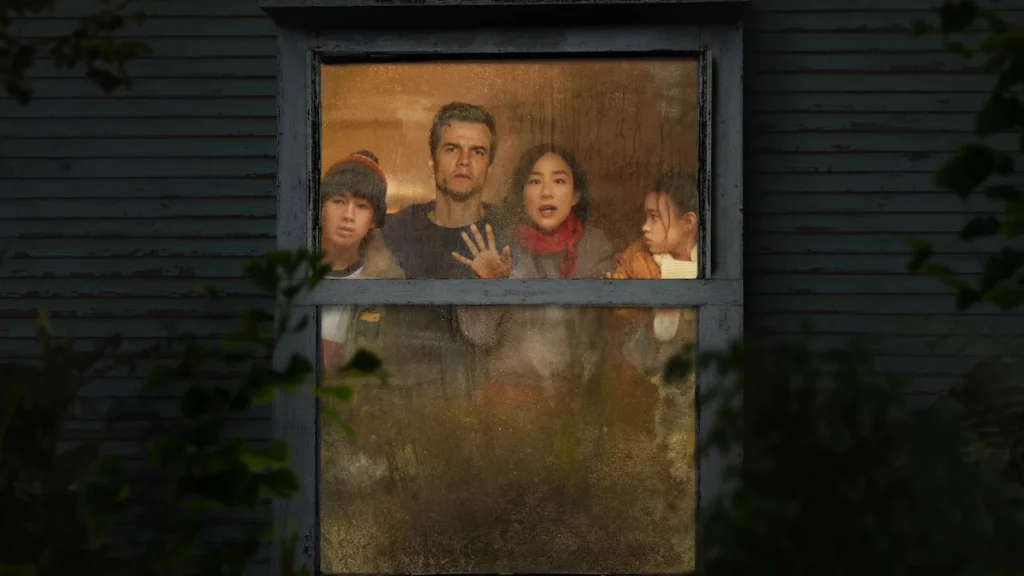
It is exactly in this saturated landscape that the movie The Last House Netflix arrives on the platform. The 2026 feature film brings heavyweights to the cast, including Brazilian star Wagner Moura and American actress Greta Lee. Seeing these talents together creates an immediate draw for pop culture fans worldwide.
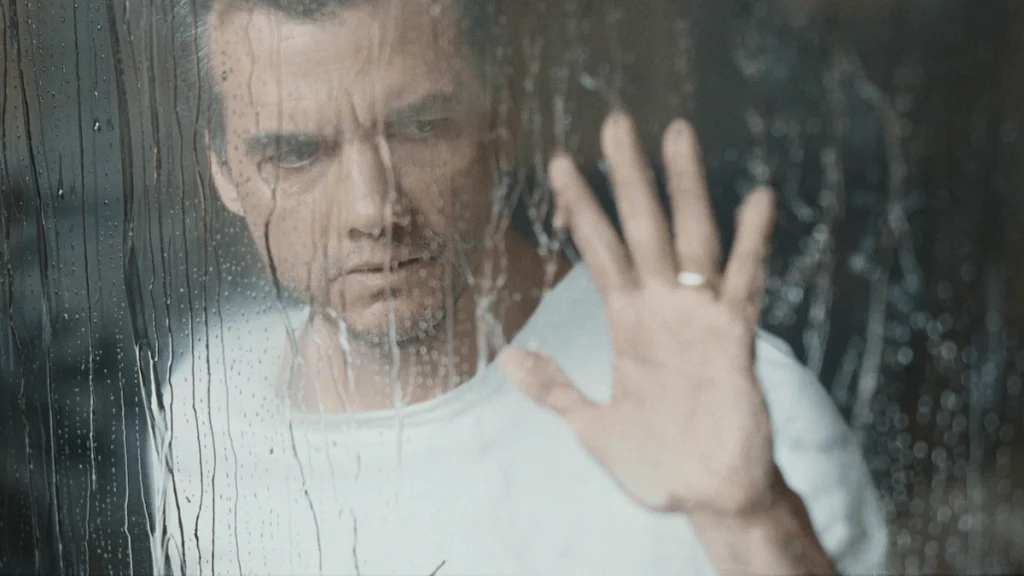
The initial premise carries a strong inspiration from classic Stephen King stories like The Mist. The script introduces a completely normal family that suddenly discovers they are trapped inside their own home. A mysterious, relentless rain completely seals every door and window, forcing a sudden quarantine.
The Formula of The Last House Netflix
The central concept of The Last House Netflix promises to deliver a true claustrophobic nightmare. Being locked in your safe haven while the outside world collapses always yields great horror stories. It is a universal fear that gained even more traction in audiovisual productions focused on pandemics.
The studio clearly aimed to score the next big dystopian hit on social media. The narrative structure begs for a slowly escalating, silent tension to build dread. The viewer expects to witness the psychological decline of characters trapped in a limited space without answers.
However, the execution falls completely flat and misses its true potential. The responsibility for this misstep lands squarely on the shoulders of the director. French filmmaker Louis Leterrier takes charge of this project, and his lack of familiarity with the genre shows.
Rushed Pacing and Zero Tension
The director wastes no time setting up the suspenseful atmosphere. In less than five minutes of screen time, the family group fully understands they are imprisoned. This narrative rush works entirely against building any real mystery or anticipation for the audience.
In a confinement thriller, time is the biggest ally of fear. The audience needs to feel the characters’ anxiety as they test exits and realize the severity of the situation. Here, this whole discovery process happens at the speed of light.
This frantic pace generates a second major problem: visual continuity. The movie demands total audience immersion for the isolation to actually work on screen. Any technical slip breaks the illusion of confinement, and Leterrier makes several mistakes in this regard.
Louis Leterrier’s Direction
One specific scene perfectly illustrates the director’s disconnection from the film’s core concept. The main characters try to observe their neighbors through one of the heavily blocked windows. The moment demanded a contemplative, apprehensive look at the terror of the unknown lurking outside.
Instead, the sequence suffers from countless rapid camera cuts. The editing strips away all the natural pacing of the scene, killing the tension instantly. The filmmaker seems desperate to speed up the story, acting as if silence bothers him deeply.
Leterrier built a career marked by explosive action and massive franchises like Fast X. This background costs him dearly when he tries to helm a family drama with horror undertones. He attempts to apply a Vin Diesel movie logic to a scenario demanding indie suspense subtlety.
It becomes blatantly clear that character development is not the director’s focus. Interactions happen instantly and superficially, leaving no room for the weight of trauma to settle in. The visual logic forced by the editing never matches the ambition of delivering a solid psychological thriller.
Script and Narrative Conveniences
The script penned by Matthew Robinson tries to aim for M. Night Shyamalan’s signature style. The text attempts to create metaphors about society and the fear of the unseen. The movie wants to be smart and reflective but suffers from a lack of mastery over these narrative tools.
For a survival story to work, the danger needs to feel real and unforgiving. Protagonists must fight their own vulnerability to overcome the obstacles in their path. Robinson’s script, however, chooses the easiest and laziest route possible at every turn.
The plot builds a universe that runs almost entirely on excessive practicality. Whenever a situation threatens to generate a real level of stress or danger, the script throws a lifeline. Excuses appear out of nowhere, purely to make the characters’ lives easier.
Plot Holes That Break the Tension
Wagner Moura plays the family patriarch, an extremely capable and resourceful engineer. This profession serves as the perfect excuse for him to create miraculous gadgets overnight. He acts like he memorized a secret survival manual long before the crisis even started.
This unrealistic level of preparation removes all the weight from the isolation imposed by the weather phenomenon. On the other side, we have the couple’s daughter, a young girl obsessed with folklore and underwater creatures. This specific character trait serves a purely functional purpose in the script.
The girl’s passion only exists to enable and explain the visual design of the threats that appear later. The text uses her hobby as a cheap shortcut to feed the audience answers about the mysterious event. It is a narrative convenience that completely weakens the mystery surrounding the constant rain.
Family Dynamics and Mythology
Publicity/Netflix
A script focused on confinement should prioritize the cracks in family relationships. Forced coexistence and absolute panic usually extract the worst and the best from human beings. The initial proposal seemed headed toward this emotional and physical claustrophobia.
In practice, the direction lacks the imagination needed to explore these psychological conflicts. Movies like A Quiet Place shine precisely because they establish clear survival rules and test the family against them. The tension is born from breaking those rules and exploring a well-built mythology.
Leterrier completely ignores the psychological toll of prolonged confinement. Actual situations of danger are treated hastily, making the script’s decent ideas look like an unfinished draft. The family’s survival turns into a mere backdrop to showcase visual effects.
The Burden of Time and Abrupt Editing
The film’s editing suffers from rough transitions that ruin the sense of time passing. The audience barely knows the family’s normal routine before the house is sealed for good. This superficiality in introducing the protagonists prevents any real emotional connection.
Shortly after we understand the group is stranded with no outside communication, the movie jumps forward in time. The promising mythology of the rain and the creatures takes a back seat. The script stumbles in its fragile attempt to show days turning into long months of reclusion.
The notion of isolation becomes just a narrative suggestion rather than a tangible burden. The confinement loses its dramatic strength and serves merely as a showcase for CGI effects. The feature abandons horror to try and be an action movie with alien invasion tones.
The Verdict
Overall, the new streaming bet is a massive waste of top-tier talent. The main cast does what they can with the incredibly shallow material they receive. Wagner Moura and Greta Lee deserved a much more robust text and a direction capable of valuing their performances.
The script tries to embrace various allegories about pandemics and collective fears, seeking inspiration from recent classics. The result, however, is a patchwork quilt that cannot decide which path to follow. The direction fails to understand sci-fi language, horror codes, or family drama sensitivity.
Seeing Leterrier helm a script that clearly needed a director like M. Night Shyamalan is baffling. The French filmmaker delivers an empty movie, lacking the answers and provocations the genre demands. The film seals the characters’ fate but forgets to hold the audience’s attention.